Welcome
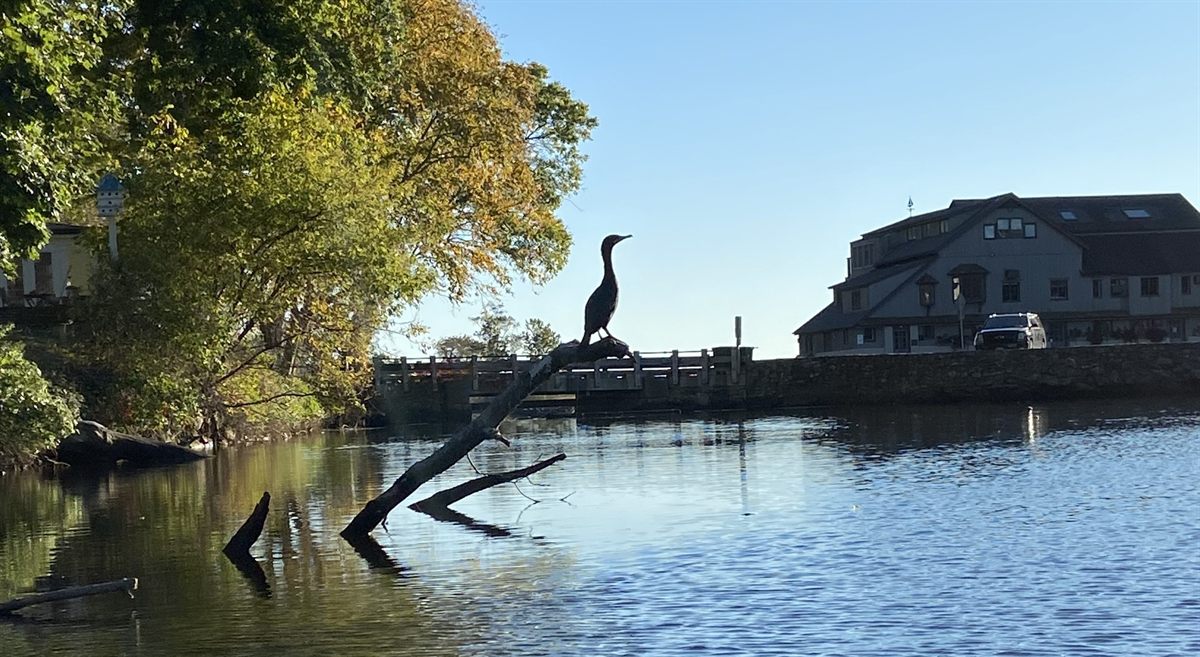
Tucked into the Connecticut shoreline where the Mill River slips quietly into Long Island Sound sits the historic village of Southport. For nearly four centuries this small tidal river has shaped the life of the harbor — first as a source of power, then as a gateway for one of New England’s busiest nineteenth-century ports. This page is a brief, friendly welcome to that story.
A river that named a village
The Mill River runs roughly 16 miles through the town of Fairfield before emptying into the Sound at Southport Harbor. English families settled here in 1639, on land long held by the Sasqua people and known as Unquowa. The little settlement at the river’s mouth was simply called “Mill River” — a name that tells you exactly what mattered most to the people who lived here.
As coastal shipping boomed, the village grew into a prosperous maritime hub and, by the 1830s, had been renamed Southport. Warehouses, churches, stores and elegant captains’ houses lined the harbor; for a brief, busy moment the port rivaled far larger cities for shipping traffic. Much of that nineteenth-century village survives today within the Southport Historic District.
The Tide Mill & the Grist Mill Dam
Around 1722, a grist mill was raised in the middle of the Mill River, on what is now Harbor Road. Unlike the brook-fed water mills of the inland hills, this was a tide mill — it borrowed its power not from a falling stream but from the rise and fall of the sea itself.
A dam stretched across the tidal river, fitted with one-way gates. Each rising tide pushed seawater through the gates to fill a mill pond behind the dam. At high water the gates swung shut, trapping the pond. Then, as the tide ebbed, the miller opened a sluice and let the captured water rush back out — turning a great wheel that drove the millstones grinding the neighborhood’s corn and grain into meal and flour. The mill ground grain on this spot for well over two hundred years.
How a tide mill keeps time with the sea
-
1
Flood tide fills the pond
The incoming tide flows through the dam’s gates and quietly fills the mill pond.
-
2
High tide locks the gates
At the top of the tide the gates close on their own, holding a pond full of seawater.
-
3
Ebb tide turns the wheel
As the sea drops, the miller releases the pond through a sluice; the rushing water spins the wheel and the stones grind.
-
4
The schedule shifts daily
Because the tides arrive about 50 minutes later each day, the miller’s working hours slid around the clock — grain was ground twice a day, whenever the sea allowed.
A few interesting facts
- 1637 The Pequot War’s “Great Swamp Fight” took place nearby; survivors took refuge among the Sasqua who lived along these waters.
- 1639 English settlers founded the village at the river’s mouth and called it “Mill River.”
- 1722 A tide-powered grist mill was built in the river on today’s Harbor Road.
- 1830s “Mill River” became “Southport” as the harbor grew into a thriving shipping port.
- ~1950s After more than two centuries, the old mill finally fell silent — the dam and tidal pond still mark the harbor today.
Test page. This is the first published page for www.millriverct.com, deployed automatically from source control. More to come.